All Categories
Featured


Ways to Architect High-Performance Tech Hubs
Table of Contents
Deloitte highlights a significant gap between pilot and production: just 11% of surveyed organizations use agents in production, and 35% report no official method. Common blockers consist of legacy integration, information architecture constraints, and insufficient governance structures. Inference unit costs have fallen greatly, yet overall AI invest rises since use scales quicker than expense decreases.
The innovation indicated to give services an advantage is becoming the target used against them. Organizations needs to secure AI across 4 domainsdata, designs, applications, and infrastructurebut they likewise have the opportunity to utilize AI-powered defenses to combat hazards operating at device speed.
They lead with problems, not technology. Broadcom's CIO: "Without focusing on a particular company issue and the worth you want to derive, it might be simple to invest in AI and get no return.
Building Cloud-Native Enterprise Hubs for 2026Western Digital's CIO: "We 'd rather stop working fast on little pilots than miss the wave totally."They design with individuals, not just for them. Walmart involved shop partners in building its scheduling app, that includes shift switching, schedule presence, and staff member control. The result: Scheduling time dropped from 90 minutes to thirty minutes, and individuals actually used the app.
Evaluating Traditional R&D and Agile Tech Cycles
Coca-Cola's CIO described their journey as moving from "What can we do?" to "What should we do?" That shiftfrom capability-first to need-firstis what separates efficient experimentation from pilot purgatory. I've tracked innovation advancement enough time to recognize the patterns. The internet changed whatever. Mobile improved consumer habits. Cloud computing was transformative.
It's not just that AI is powerful. Organizations developed for sequential enhancement can't contend with those operating in continuous knowing loops. That presumption no longer holds.
They'll be those with the nerve to redesign instead of automate, the discipline to connect every investment to organization outcomes, and the speed to execute before the window closes. Development compounds. The space in between laggards and leaders grows greatly. How you react determines which side of that gap you're on.
We hope this year's publication reminds you that everyone's facing this quick speed of change, and together, we can shape what follows. Managing editor, Tech Trends.
What once felt like optional upgrades are now the core of how services run, contend, and grow. For business leaders, CTOs, and decision-makers, remaining informed is no longer simply excellent practice.
Key Tips for Managing Complex Tech Transformation
The right innovation options decrease expenses, protect your information, and unlock new markets. The incorrect ones slow you down or leave you exposed at the worst minute. This guide breaks down the ten technology patterns that matter most in 2026, what they mean for your organization, and how to act on them.
Building Cloud-Native Enterprise Hubs for 2026In 2026, it is doing genuine work across finance, HR, consumer service, and operations, at companies of every size. What AI automation deals with today: Billing processing and approval workflowsData entry, recognition, and reportingCustomer inquiry actions and routingInventory and supply chain monitoringThe organization case is direct. Fewer manual errors, faster turnaround, and groups that can focus on higher-value work instead of repetitive jobs.

The cloud is where modern service facilities lives. Secret factors organizations are deepening cloud dedications: Pay-for-use rates keeps overhead lowInstant scaling during demand spikesBuilt-in redundancy secures business continuityGlobal gain access to supports dispersed and remote teamsFor leaders planning worldwide growth, cloud platforms eliminate the barriers that as soon as made growth sluggish and costly.
Ransomware, phishing, and information breaches now cost companies millions, along with something harder to reconstruct: trust. What a security-first technique looks like in 2026: Protection constructed into systems at the style phase, not added laterRegular audits and penetration testingEmployee training on phishing and social engineeringClear incident response prepares evaluated before they are neededCompliance with data personal privacy policies such as GDPR and regional frameworksNon-compliance brings financial charges and public repercussions.

Latest Posts
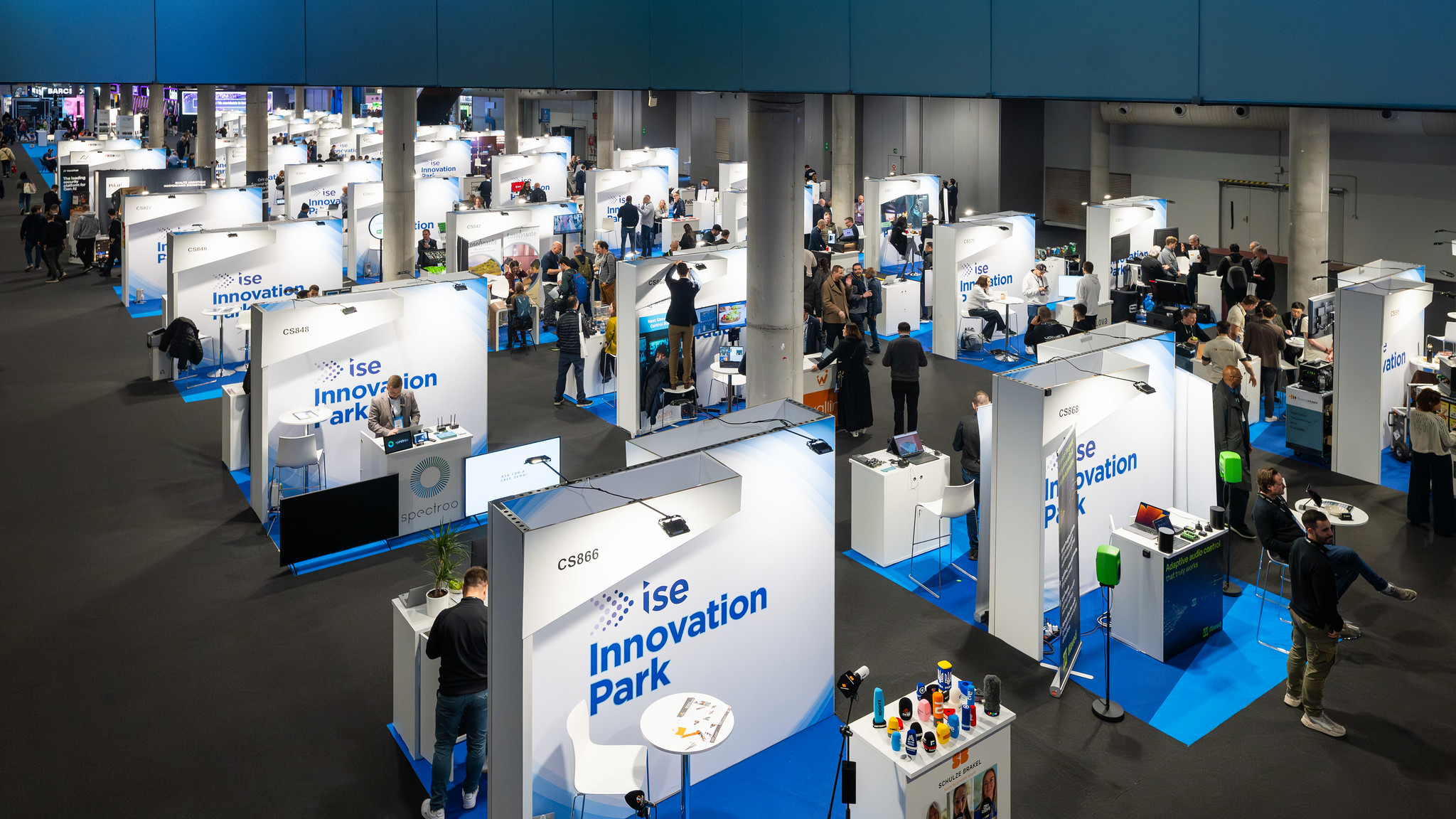
Scaling Cloud-Native Smart Hubs for 2026
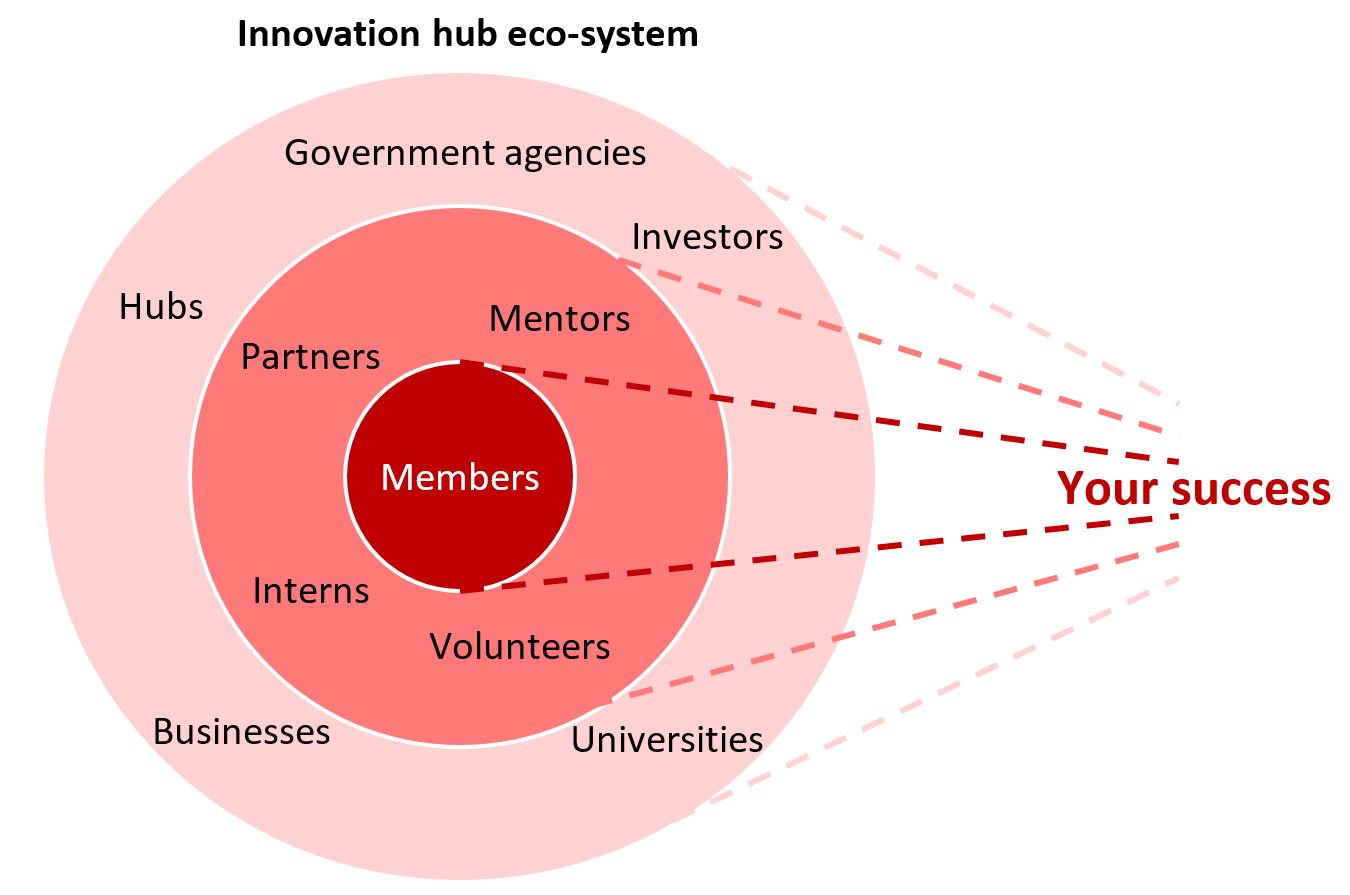
How Enterprise R&D Labs Sustain Transformation

Building High-Performance Innovation Hubs in 2026